

CalSAC has been selected as one of five implementation partners participating in the National Youth Development Foundational Practices Credential implementation pilot, a national initiative led by the National AfterSchool Association (NAA) to strengthen and recognize the youth development workforce.
Holding On to Infinite Hope
A colleague said to me last week: “I can’t believe it’s February next week, but somehow January also feels like the longest month of my life.” This so accurately describes my experience at the start of 2026. As individuals, and as a country, we are facing such grief, and shock, and anger, while also managing packed schedules and ongoing uncertainty. So many have expressed feeling utterly hopeless in the wake of 2025, and now the longest-ever January of 2026. I can feel the despair in the air, the deep exhaustion, and the frozenness of not being sure of what to do next. The problems we are facing are so big and seemingly out of reach.
I had a mini-disaster of my own in December, as I got in a major freeway car accident the day after Christmas . I am very lucky to be mostly ok – and honestly, I feel lucky to be alive. When I got home from the accident, I immediately got a call from my neighbor. She had noticed different cars at my house the last couple of days, and then saw me get home in yet another unknown car, so wanted to be sure all was well. She checked up on me multiple days after that. Another neighbor the following week saw me on the street with my dog and noticed that I was limping and asked what was up. Yet another neighbor stopped me while I was walking by to let me know that a car break-in had happened the night before, so to keep an eye out. There are no laws or systems that mandate this behavior: it’s simply kind people looking out for each other.
I was in Memphis for a conference last fall and had the opportunity to check out the National Civil Rights Museum before I boarded the plane home. It was a wonderful experience – seeing some of Martin Luther King Jr.’s lesser known speeches, bearing witness to the site of his murder, and following the long history of the civil rights movement. What struck me the most was a specific room, covered with mug shots of people arrested during the civil rights era. I recognized a couple individuals, but so many were regular people – I was struck to see so many middle-aged women like myself, clearly still in their work clothes, staring at the camera with fire in their eyes.
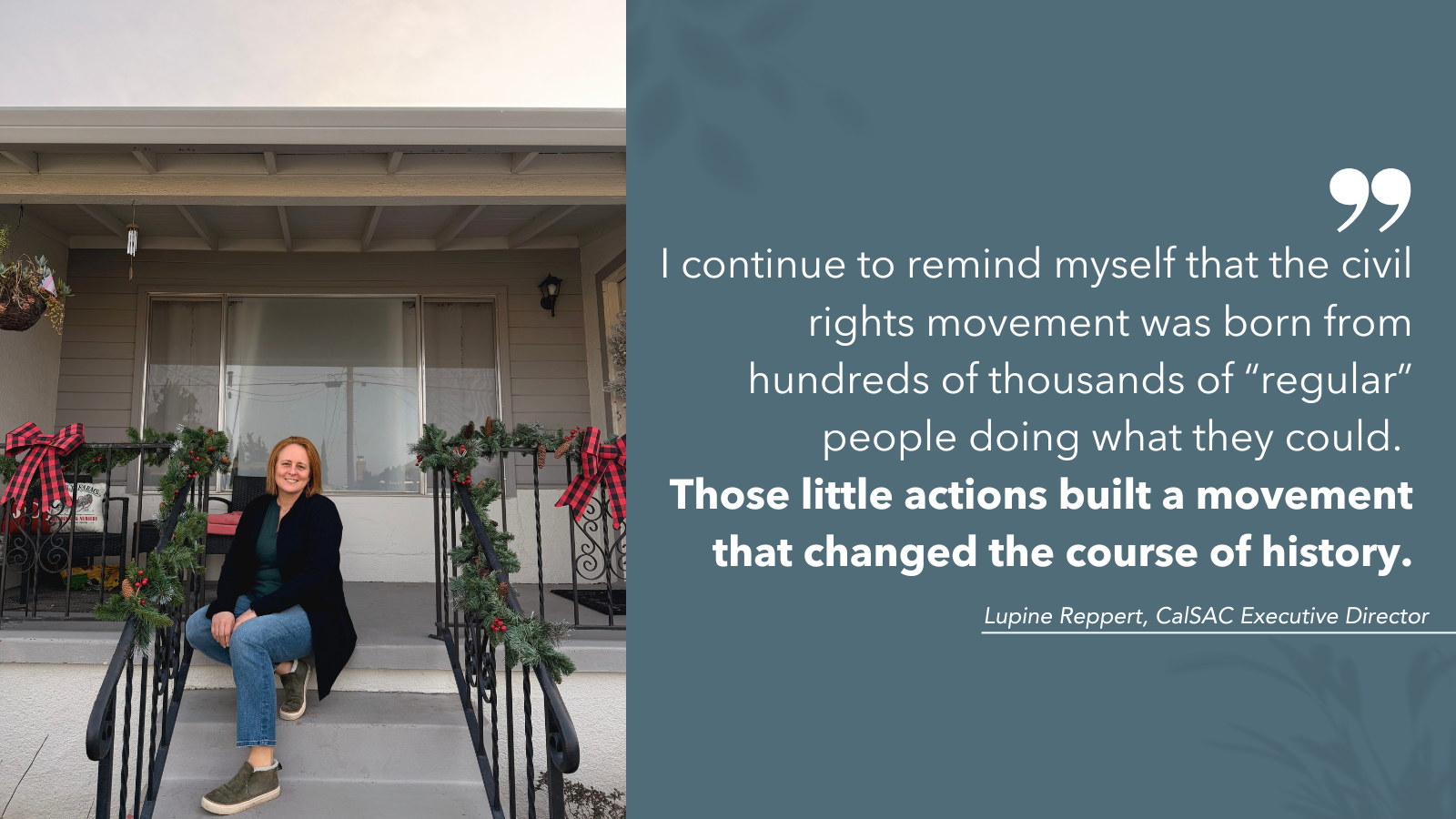
These experiences remind me that there is always something I can do, starting as small as what happens on my block. In fact, hyper-localism is a rising advocacy strategy – as neighbors support and defend each other in the face of major threats like ICE. And while this may seem insignificant, I continue to remind myself that the civil rights movement was born from hundreds of thousands of “regular” people doing what they could. Those little actions built a movement that changed the course of history.
It makes me curious what could be possible if we leveraged the collective power of our field – both to advocate for the work we do, but also to uphold the rights and needs of those we serve. How can we join together – as neighbors and community members – for what we believe to be true and right? We’ve been asking ourselves this question at CalSAC, and are cooking up some ideas alongside a number of partners about what might be possible – we hope you’ll join us in the work (stay tuned!). As a start, we’ve added a special pre-conference session at the Challenge called, "Leading with Courage and Clarity: The Future of Our Democracy,” led by CalSAC’s previous Executive Director Ruth Obel-Jorgensen, and are presenting two sessions at the NAA Convention on the same topic.
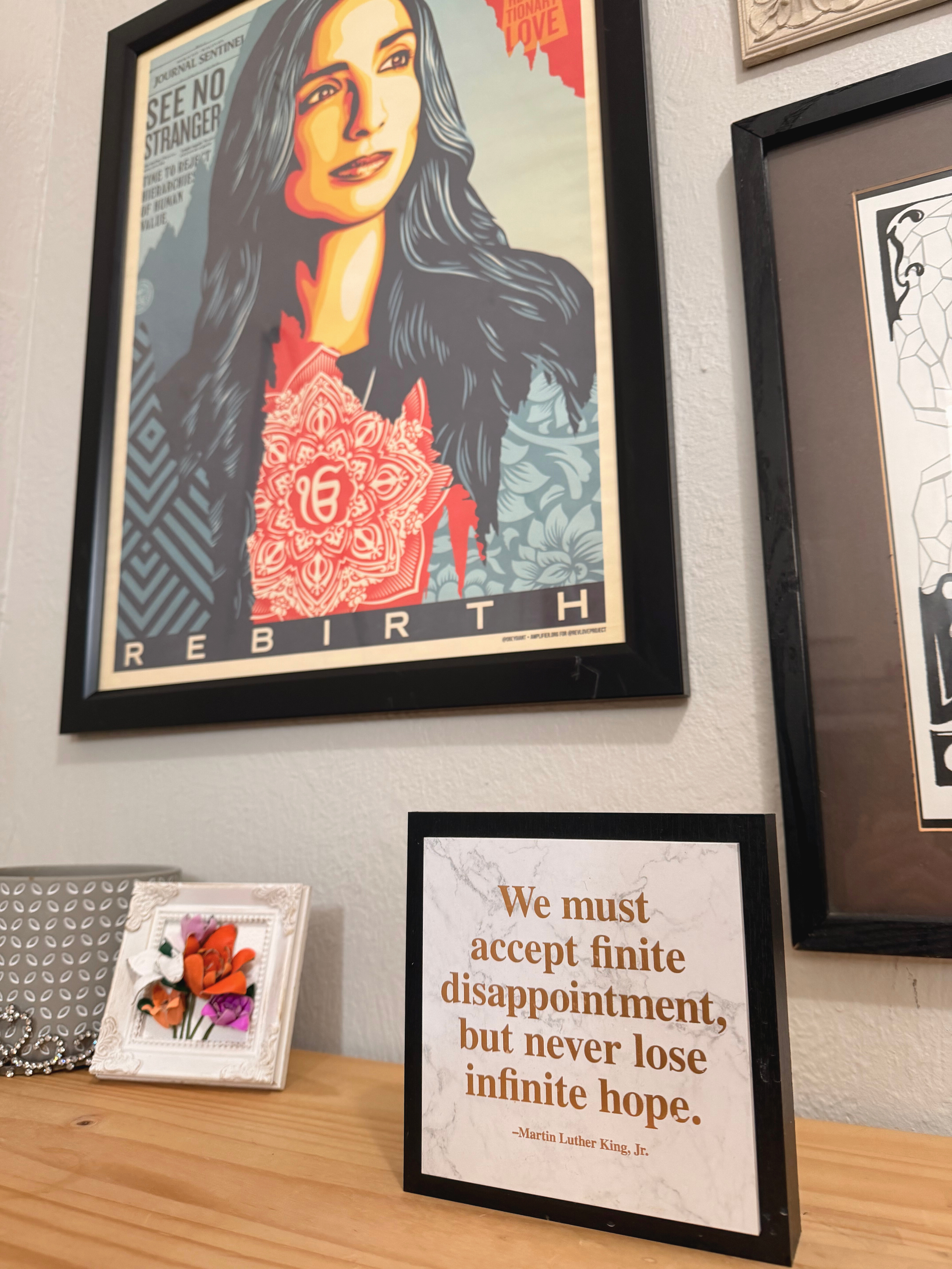
In the meantime, I’ll leave you with the wise words of Martin Luther King Jr., that I have on a plaque I got at the National Civil Rights Museum – now sitting in a prominent place in my home as an ongoing reminder: “We must accept finite disappointment, but never lose infinite hope”.
Ready for a year of resistance and community,

Lupine Reppert
Executive Director
(510) 444-4622 x109
lreppert@calsac.org
Exciting Opportunities to Join the AlphaBEST Team!

CalSAC is featuring some exciting opportunities to join the AlphaBEST Team in Alhambra! Learn more about AlphaBEST below and see if any of these positions are a great fit for you!
Leaning Into the "Us" of Us: Message from CalSAC's Executive Director

I was recently at CalSAC’s BOD/Staff retreat. As part of introductions, we each shared about our journey to CalSAC, and almost always, there was another person that we believed in, or believed in us (or both) that brought us into the community. We often stayed connected because of those people and the way they and the CalSAC community made us feel: connected, valued, trusted, transformed.
Introducing CalSAC’s New Executive Director
Lupine's Message to the Field

CalSAC Trainer Windi Hazzard

Windi Hazzard's experience as a CalSAC Apprentice Trainer is what helped her identify how to lead for systemic change, by ensuring that her approach is human-focused, community-based, and equity-centered. Read her full feature here.
Dear CalSAC Community

Announcing Two Exciting Opportunities to Join the CalSAC Team!
CalSAC has opened a search for a Director of Programs to lead CalSAC’s efforts in providing innovative, relevant and responsive professional development and training for OST programs and professionals. In addition, CalSAC will also hire a Program Coordinator to support our training programs.
Selena Levy's Next Adventure

MENTAL WELLNESS & SELF CARE RESOURCES

A Message from Interim Executive Director Sara Reyes

Exciting and Impactful CalSAC Projects in 2021
Supporting Multilingual Learners During the Pandemic

Because multilingual learners need our support now more than ever, CalSAC is working in partnership with the California AfterSchool Network (CAN) to update our highly regarded English Learner training as well as develop new curriculum to address the unique needs of multilingual students during this time. Out-of-school time (OST) practitioners will be able to engage in a range of professional development opportunities including live, virtual trainings and short videos on key topics to support the MLs in their programs.
Led by CAN, the project will also be researching, developing and testing a teacher pathway program to support expanded learning staff to enter teaching careers, and prepare teachers to effectively serve multilingual students. Increasing access for Expanded Learning professionals into and through teacher preparation programs will result in more diverse teachers and teachers better prepared to meet the needs of students, particularly students of color and multi-lingual students, as well as pathways for Expanded Learning professionals to thrive in their careers.
Keep an eye out for professional development opportunities as early as March! To learn more, contact Ayala Goldstein.
Prioritizing Youth Mental Health and Wellness

In 2018, CalSAC lead a collaborative partnership to found the Out-of-school Time (OST) Wellness Network to strengthen prevention and intervention mental health strategies in the out-of-school time (OST) field. Through this partnership, the network revised 16 CalSAC modules and developed 4 new training modules, focused on youth mental health and wellness: Understanding Mental Health Wellness for Youth and Adults; Exploring Protective Factors for Youth Mental Health Wellness; Designing Safe and Supportive Programs; and Cultivating Community Partnerships.
COVID-19 has widened the gap in access and support for low-income children as shelter in place orders continue, making support – academic, social, and emotional – further out of reach. In addition, many young people are grappling with serious mental health needs: anxiety, depression, suicidality and domestic abuse are all on the rise. OST professionals have expressed a serious concern about the mental health of the youth they serve and a need for more staff training and resources to care for the wellness of students. In response, the OST Wellness Network, in partnership with The Sand Hill Foundation, have updated our mental health and wellness modules to incorporate the unique challenges of COVID-19 and are developing two new modules to meet the moment: exploring systems of power, healing centered engagement principles and ways to use youth-led advocacy to promote self-agency and healing. The new modules will be available this spring.
Free and low-cost virtual trainings on mental health and wellness (revised modules) are available now – check out Wellness Wednesdays or schedule a training for your full team! Also, if you’re located in San Mateo or North Santa Clara county, you may qualify for free mental health & wellness training and a stipend. Contact Diana Quintana for more information.
2021 Virtual Challenge

We may not be able to be together in person this March, but we will still be standing in solidarity as out-of-school time professionals March 8-9 for the Virtual California Afterschool & Summer Challenge. The power of the out-of-school time (OST) voice is growing – evidenced by Governor Newsom’s substantial allocation to OST programs in his 2021-2022 proposed budget. We must continue to use our voices – individually and collectively – to share the impact of the out-of-school time field and uplift the stories of the many OST programs that leaned in during the pandemic – serving as a lifeline to many youth and families in their greatest moment of need.
At the Challenge, participants will gather for a virtual rally and then join a small team to prepare to meet with elected officials to share about the important role that OST has played in the lives of students, families, and communities this past year. We are thrilled to bring the challenge into a virtual space, recognizing that it will raise accessibility for many supporters of OST that would otherwise not be able to participate in person at the Capitol. We encourage youth, parents, staff and community members to join us this year to raise their voices for the youth of California! Learn more about the Virtual Challenge.


